








5 essentials for keeping your work van safe and roadworthy
If you rely on your van for work, you want to know it’s ready to go whenever you are. Whether you’re travelling between jobs, carrying tools and equipment or making deliveries every day, looking after your van can help you avoid unwanted downtime and keep it working at its best for longer.
With 20 years of experience behind us at The Van Discount Company, we’re a trusted supplier of new vans to businesses across the UK, and we know just how important a reliable van is to your working day. While regular servicing and maintenance go a long way towards keeping your van in good condition, there are also a few requirements worth knowing about when you’re using a goods vehicle for work.
Alongside our own experience, we’ve used the official GOV.UK guidance on maintaining goods vehicles to put together five of the most important things to keep in mind when looking after your work van.
1. Keep on top of your van’s general condition
When your van is working five or six days a week, covering significant mileage and carrying everything you need to get the job done, wear and tear comes with the territory. The important thing is staying on top of it. Tyres getting close to the limit, brakes starting to wear or a problem you’ve been meaning to get looked at can quickly become more expensive if it’s left, and the last thing you want is your van off the road when you’ve got a full week of work booked in.
It’s also worth remembering that passing an MOT doesn’t mean you can forget about your van’s condition for another 12 months. Your MOT only confirms that the vehicle met the required standards on the day it was tested. If you’re using your van for work, keeping it safe and roadworthy is an ongoing responsibility, so regular servicing, maintenance and dealing with problems as they crop up all matter between MOTs.
The better you know your van, the easier this tends to be. If something starts driving differently, you’re getting unusual tyre wear or a warning light appears, don’t leave it until the next service just because the van is still getting you from A to B. Staying ahead of those jobs can mean the difference between booking it into the garage when it suits you and losing it halfway through a busy working week.
2. Get into the habit of a quick morning check
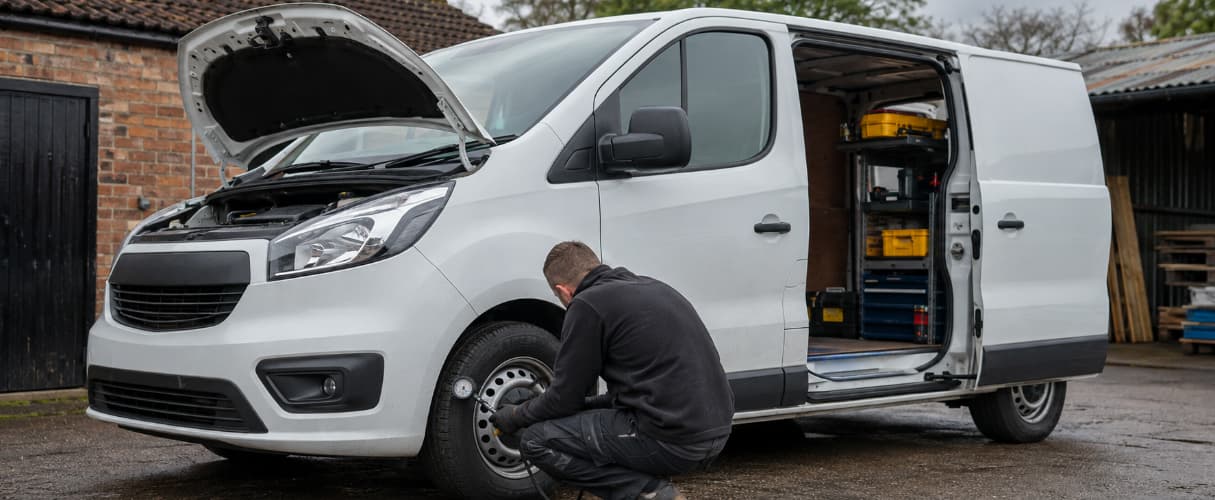
Before your van heads out for the day, give it a proper once-over. A flat or damaged tyre, a light that’s gone overnight or something that’s taken a knock since you last drove it is much easier to deal with at the yard or on the driveway than once you’re loaded up and halfway to the first job.
For goods vehicle operators, that walkaround isn’t just good practice either. Drivers are expected to carry out a check before the vehicle is driven for the first time each day, so it makes sense to build it into the working routine rather than treat it as another job to remember. If it’s your van, you’ll probably already have a good idea of what looks and feels right. If you’re running several vehicles, make sure every driver knows what they’re checking and what happens when they find something that needs attention.
That last part is just as important as the check itself. There’s not much value in a driver spotting a problem if it gets mentioned in passing and forgotten about by lunchtime. Whether you use defect sheets, an app or another system across your fleet, make it easy to report an issue and keep track of it until it’s been sorted. That way, you know what’s happening with your vans even when you’re not the one behind the wheel.
3. Plan your maintenance before your van plans it for you
When your van earns its keep every day, you don’t want maintenance dictated by whatever goes wrong next. Staying ahead of servicing and safety inspections puts you in control of when the vehicle is off the road, whether that means booking it in around a quieter day, arranging a replacement van or staggering inspections across a fleet so you’re not losing several vehicles at once.
A good maintenance schedule should take into account how your vans are actually being used. A vehicle covering serious motorway mileage every week has a different working life to one doing shorter local runs, while payloads, road conditions and the type of work you do can all affect how quickly parts wear. Regular safety inspections give you a chance to pick up on that wear and deal with it before it starts affecting the reliability or roadworthiness of the van.
If you handle safety inspections in-house, there needs to be a proper record behind them too. You should be able to see which vehicle was inspected, what was checked, when the inspection took place, who carried it out and what the outcome was. Any work or defects should be recorded and followed through until they’ve been properly repaired. It gives you a clear picture of where each van stands and, more importantly, stops outstanding jobs getting lost once the vehicle is back out working.
4. Keep a maintenance history for your van
When you’re keeping on top of servicing, inspections and repairs, having the records together gives you a clear picture of what’s been happening with your van. You can quickly look back at when work was carried out, what was replaced and whether any previous defects are starting to crop up again.
There is a requirement to bear in mind here too. Your safety inspection and maintenance records should be kept for at least 15 months, including work carried out by an external garage or maintenance provider. If you’re running a few vans, having that history against each vehicle also makes it much easier to see how they’re performing individually.
Over time, that information becomes particularly useful. You can see what you’ve spent on each van, how often it’s been in for repairs and whether downtime is starting to become more frequent. If you get to the point where you’re weighing up another repair against replacing the van, you’ve already got a good idea of whether it’s still paying its way.
5. Find a garage you can rely on
If someone else looks after your van, having a good maintenance provider behind you can make the whole process much easier. Ideally, you want someone who knows commercial vehicles, understands the kind of work your van is doing and knows what to look out for when it comes in for a service or inspection.
There’s a lot to be said for sticking with a provider you trust, too. Over time, they get to know your van, the work it’s already had done and anything that might need keeping an eye on. If you’re running a few vans, that familiarity can be even more useful, especially when you’re trying to keep servicing and inspections moving without disrupting the rest of the business.
You also want to know you’ll have everything you need when the van comes back. Inspection records, details of any defects and the work that’s been carried out should all be clear and easy to keep with your maintenance history. You’re still responsible for the condition of the vehicle when the maintenance is carried out externally, and if you’re covered by the relevant operator licensing requirements, you’ll also need to provide the traffic commissioner with a copy of your maintenance contract.
Keep your van working for longer
Looking after your work van doesn’t need to be complicated. Getting to know your vehicle, checking it regularly and staying ahead of maintenance can all help you catch problems sooner and reduce the chances of an unexpected trip to the garage disrupting your working week. If you have several vans, putting the same simple processes in place across your fleet can make them much easier to manage too.
Of course, there eventually comes a point where keeping an older van going no longer makes sense. If repair bills are becoming more frequent, your van is spending too much time off the road, or your business has simply outgrown it, replacing it could give you the reliability and capability you need for the next few years.
At The Van Discount Company, we’ve spent 25 years helping businesses across the UK find the best new vans at the right price. We know your van needs to work for your business, whether that means something compact and economical for getting between jobs, more load space for tools and equipment or additional vehicles to keep a growing fleet moving.
With access to a wide network of UK suppliers, we can search across the market to find you the best deals available, with savings of up to 30% on selected new vans. We supply models from leading manufacturers including Ford, Vauxhall, Renault and Peugeot, so you’re not limited when it comes to finding the right size, specification or setup for the way you work.
And if you’re not quite sure what you need next, that’s where our experience comes in. Tell us what you’re carrying, how you use your van and what you want to spend, and we can talk you through the options that make sense for your business and find you a competitive deal without the legwork.
Ready to find your next van? Browse our latest new vans for sale or give our team a call on 01282 872 530 and let us find the right van and the right deal for you.